Capturing the essence of Paris often involves snapping a photo of its most iconic structure: the Eiffel Tower. But when the sun retreats and the lights begin to shimmer, a common question preoccupies many: “why can’t you take a picture of the Eiffel Tower at night?” To address this concern briefly, it is not illegal for individuals to take photographs of the Eiffel Tower at night for personal use. The subject is complex, shrouded in nuances of copyright laws, specifically concerning the illuminated display of the Tower after dark. This article aims to provide clarity and guidance for those keen on taking pictures of the Eiffel Tower at night.
The Eiffel Tower: A Brief History
The Origin and Significance
Gustave Eiffel’s iron marvel first pierced the Parisian skyline for the 1889 Exposition Universelle, celebrating the centennial of the French Revolution. Initially met with mixed reviews, the structure has since become synonymous with Paris itself, representing not just architectural bravery but also the spirit of innovation and romance. The Tower was almost dismantled in 1909 but was spared because of its value as a radio telegraph station. Today, it continues to stand as a historic symbol and a beacon for millions of visitors each year.
The Tower as a Photography Subject
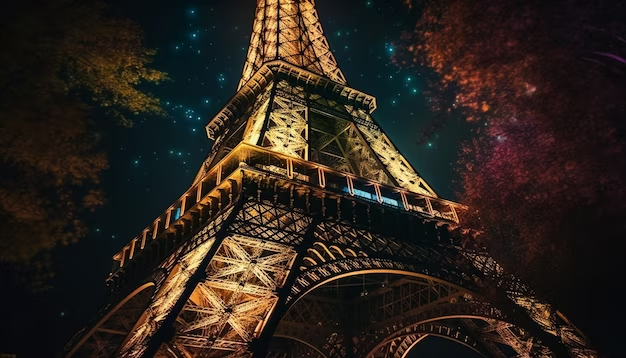
Since its construction, the Eiffel Tower has been a subject of fascination for photographers. Its iron lattice makes it a structural anomaly, captivating the lenses of amateur and professional photographers alike. During the day, the Eiffel Tower is in the public domain, meaning that anyone is free to photograph it and use those images as they please. But as night arrives and the question of “can you take pictures of the Eiffel Tower at night” arises, the scenario changes, the Tower’s lighting show transforms it into a glowing embodiment of the Parisian night, generating a complex interplay between art, copyright law, and photography.
Understanding Copyright Laws
Basics of Copyright
Copyright laws are designed to protect creators’ original works from unauthorized use. In most countries, including France, copyright is automatically granted upon the creation of a unique work of art, literature, music, or a photograph. These protections typically last for the lifetime of the creator plus a certain number of years following their death, which varies by jurisdiction.
Public Domain and Exceptions
Works that are not copyrighted, or whose copyright has expired, enter the public domain; they can be freely used by anyone. Buildings constructed before a certain year (which varies by country) are generally not subject to copyright laws and are considered part of the public domain. This has significant implications when one considers “are you allowed to take pictures of the Eiffel Tower at night” and realizes that the daytime photography of the Eiffel Tower, which falls under this category, is unrestricted.
How Copyrights Apply to Buildings and Landmarks
| Structures | Copyright Status | Notes |
|---|---|---|
| Eiffel Tower (day) | Public Domain | Free to photograph |
| Eiffel Tower (light show) | Copyrighted | Use restrictions apply |
| Modern skyscrapers | Likely Copyrighted | Depends on the year of completion |
The Eiffel Tower’s Unique Copyright Situation
The Tower’s Lighting Display and its Copyright
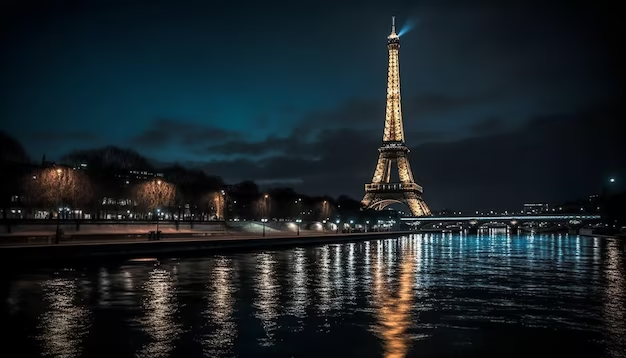
The Parisian skyline is transformed every evening with the Eiffel Tower’s dazzling light display, a spectacle that could prompt one to ponder about taking pictures of the Eiffel Tower at night. This illumination is a later addition to the Tower, installed long after the structure was in the public domain. Consequently, the Société d’Exploitation de la Tour Eiffel (SETE), which operates the Eiffel Tower, claims copyright over the light show itself. As such, photographs intended for non-private and commercial purposes might necessitate permission from the organization.
The Copyright of the Tower’s Nighttime Illumination
The notion that a separate copyright can exist for the illumination design is notably a captivating legal twist. By this principle, while the structure itself is not protected at night, the artistic lighting design superimposed upon it is. It becomes a matter of artistic expression rather than architectural identity, where the display is copyrighted, but the underlying structure is not.
The Legality of Night Photography of the Eiffel Tower
Case Studies and Legal Precedents
Over time, various instances have tested the copyright law’s application concerning the Eiffel Tower’s night lights. Although no high-profile legal action has been taken regarding this specific matter, a general consensus in French law tends toward leniency for personal use, such as a holiday snapshot destined for a personal album. But the minute this same photo ventures into the commercial sphere, the likelihood of a copyright infringement increases.
Consequences of Violating Copyright Laws
Each country has distinct approaches to handling copyright infringements. In France, possible repercussions might range from fines to legal action; however, enforcement around the Eiffel Tower’s night photography is subjective and usually only relates to images used for commercial gain without permission. Reactions to potential copyright infractions are typically at the discretion of SETE, creating an ambiguous space that photographers must cautiously approach.
Professional Photography vs. Personal Use
Commercial Use of Images
Professional photographers need to be especially cognizant of copyright regulations due to their potential financial gain from the images. When the goal is to sell photographs or use them in marketing materials, explicit permission and sometimes licensing fees are required. Commercial photographers looking to capture the illuminated Eiffel Tower should reach out to the operating company, SETE, to ensure they are in compliance with copyright laws and avoid any legal issues.
Sharing Photos on Social Media and Personal Websites
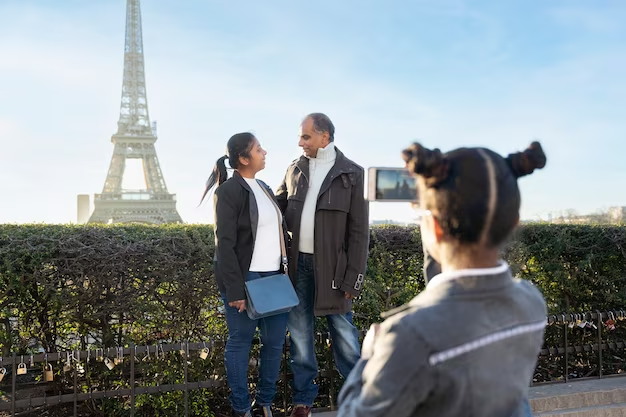
For most individuals wondering if they can share their nighttime pictures of the Eiffel Tower on social media or personal blogs, the risk of infringement is low. Given that these platforms are generally for personal use and not meant for profit, there’s a degree of leniency provided. Nevertheless, it’s essential to be cautious and consider the context of your post, as the lines between personal and commercial use can sometimes blur in the digital realm.
Guidelines for Night Photography of the Eiffel Tower
How to Legally Capture the Eiffel Tower at Night
Embracing the legal frameworks laid out by the SETE can allow photographers to revel in capturing the nighttime beauty of the Eiffel Tower without infringement woes. Keeping photography for personal enjoyment and not for sale or commercial benefit is the clearest path to compliance. For those who wish to share the images publicly, making no profit from the display is a key component of staying within the legal bounds.
Seeking Permissions for Professional Use
For professional photographers, obtaining the necessary permissions often involves contacting SETE with a request. This process isn’t just about legality; it’s also a matter of respecting the artistic expression embedded within the Eiffel Tower’s luminous display. Recognizing and adhering to these protocols upholds both the integrity of the art and the laws that protect it.
Tackling the Misconceptions
Debunking Common Myths
Plenty of myths circulate suggesting that it is entirely illegal to take photos of the Eiffel Tower at night, thereby deterring many from capturing this spectacular scene. This misconception likely stems from an oversimplification of copyright laws. It’s vital to confront these inaccuracies and educate photographers so they can enjoy taking nighttime shots without unfounded fear.
Relaying Accurate Information
Education plays a critical role in disseminating precise guidelines for taking photos of the Eiffel Tower after dark. Organizations like SETE and photography associations can help rectify the spread of incorrect information by providing clear, accessible resources that outline the dos and don’ts of nighttime photography in relation to this iconic landmark.
Practical Tips for Tourists and Photographers
Recommended Settings and Techniques for Night Photography
Achieving stunning night shots of the Eiffel Tower requires adjusting camera settings to cope with low light conditions. Below is a numbered list of settings and techniques to consider:
- Use a tripod to stabilize your camera
- Set your camera to a low ISO to prevent noise
- Utilize a long exposure to capture the lights vividly
- Select a wide aperture to allow more light in
- Implement manual focus to ensure sharpness
Best Spots for Capturing the Eiffel Tower at Night
To get the most impressive shots, it’s all about choosing the right vantage point. Many spots around Paris offer a great view of the Eiffel Tower, and here’s a numbered list of some of the best spots:
- Trocadéro Gardens, for a classic head-on shot
- Pont de Bir-Hakeim, which provides a beautiful perspective with the Seine in the frame
- Montparnasse Tower, offering a breathtaking cityscape that includes the illuminated Tower
The Impact of Social Media
The Role of Platforms in Spreading Misinformation
Social media plays a huge role in spreading myths about the legality of nighttime photography of the Eiffel Tower. While platforms have the potential to amplify incorrect information quickly, they also offer an opportunity to correct misconceptions and educate the public.
Influencer Responsibility and Awareness Campaigns
Influencers with massive followings carry the power to model responsible photography behavior. By tagging their nighttime photos of the Eiffel Tower with notes about the copyright laws, they can help spread awareness and educate their audience consequently.
In a nutshell
The question of whether it’s illegal to photograph the Eiffel Tower at night has many layers, which we’ve unraveled throughout this article. Grasping the distinction between personal and commercial use, understanding the copyright situation regarding the light display, and adhering to SETE’s guidelines are essential in navigating this legal terrain. As night falls on the City of Lights, both tourists and professional photographers alike can capture the memories, all while honoring the creative and lawful limitations that protect the Eiffel Tower’s nocturnal splendor.
FAQs
Can I take a photo of the Eiffel Tower’s light show for my private photo album?
Yes, you can take such photos for your private use without any legal concerns.
What should I do if I want to sell my photos of the Eiffel Tower at night?
It would help if you got permission from the Société d’Exploitation de la Tour Eiffel (SETE) before selling your photos, as the night display is subject to copyright.
For personal, non-commercial accounts, sharing photos is generally okay, but problems may arise if your account’s purpose leans toward commercial use.
Why is the Eiffel Tower’s daytime structure not copyrighted, but the night illumination is?
The structure itself is old enough to be in the public domain, while the nighttime light display is a separate, copyrighted artistic creation.
How can I avoid violating copyright when photographing the Eiffel Tower at night?
Stick to personal use for your photographs, and if you suspect your usage might be commercial, seek permission from SETE.